As our beloved dogs and cats age, it’s common for them to show subtle changes in behavior. They may become less enthusiastic about their favourite games, hesitate to go for walks, or avoid jumping onto their favourite spots. You might notice they aren’t following you around as they used to or have developed a more grumpy or anxious demeanor. Keep an eye out for signs, such as unkempt fur, stiffness, or limping, which can indicate an underlying disease. It is important to discuss these signs with your vet, but pain is a common denominator in all these situations. Fortunately, there are numerous ways to help keep your aging pet active and comfortable. Here are ten effective strategies to support your furry friend as they grow older.
1. Exercise: Literally… Keep Them Moving
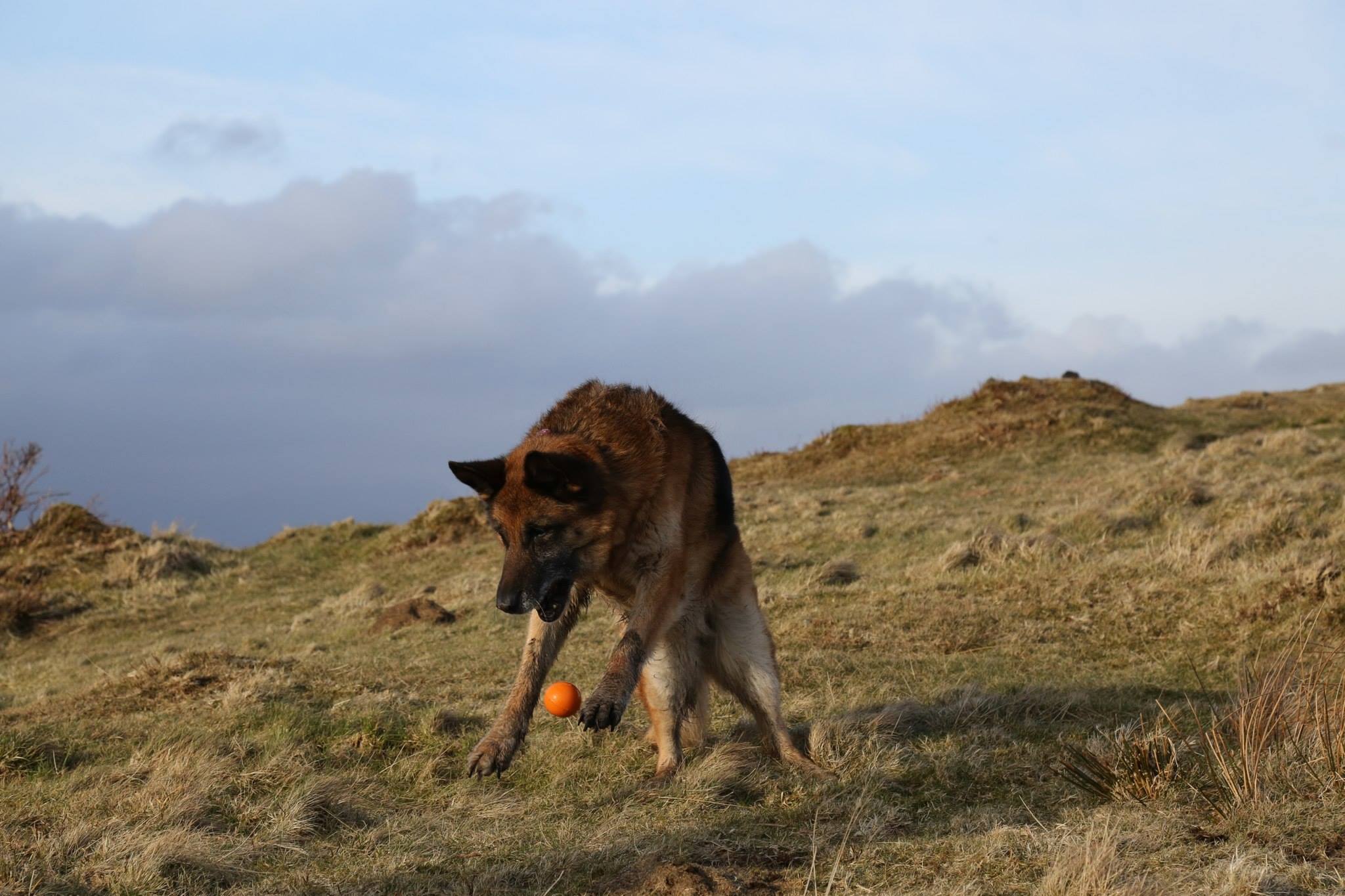
While arthritis often causes chronic pain that makes pets reluctant to move, appropriate exercise is beneficial. Aim for short, gentle walks multiple times a day, allowing your pet to stop, sniff, and explore. Swimming is an excellent low-impact option to build strength without straining their joints. Avoid prolonged games of fetch, as the desire to chase a ball may cause them to push through their pain. Instead, encourage them to follow you around the house or up and down stairs if they’re able. Exercise can make some conditions worse; always discuss with your vet before embarking upon an exercise plan for your pet.
2. Mental Stimulation: Engage Their Mind
Keeping your pet mentally stimulated can help tire them out without physical exertion. Interactive puzzles, gentle tug-of-war games, and scent-based activities can be enjoyable. Teaching new tricks or using a clicker for shape training are also great ways to engage their minds. Food games, like freezing treats in ice or using a slow feeder, encourage movement while keeping them occupied.
3. Mobility: Make Movement Easier
Pain can make climbing the stairs or getting in and out of the car difficult. Consider using ramps to ease these transitions. Avoid letting them jump off furniture, as this can jar their joints. Lino, wood flooring and other slippery surfaces are a painful pet’s nemesis. Their weakened muscles will reduce control of their legs and they will often splay out resulting in fear and pain. Place some rugs or mats down to improve their grip. Ensure they have a comfortable, supportive bed to help prevent stiffness during sleep.
4. Weight Loss: Shed Those Pounds
Maintaining a healthy weight is vital for an aging pet. Obesity puts additional strain on their joints and exacerbates pain. Monitor their food intake and reduce portions, especially since older pets require fewer calories. If they’re picky eaters, don’t offer alternatives; leave food down for 10 minutes and then remove it. They will eat when they’re hungry. Consider making a food diary- you may be shocked by how much extra you are actually giving them. Cut out all unhealthy treats. Alternates include raw carrots, frozen bananas, blueberries and strawberries. Their puppy dog eyes may be hard to resist, but the kindest thing you can do is to reduce their weight. Most vet clinics will run weight watchers to help you achieve this.
5. Supplements: Support Joint Health
Supplements have some evidence of beneficial effects without the side effects. There are a huge number of joint supplements in existence and each brand contains different active ingredients in different quantities. Several ingredients have limited quality research to support their use, however chondroitin, glucosamine, green-lipped mussel, MSM, cod liver oil, avocado and soybean all have some reported benefits. Many dogs improve significantly on them.
6. Acupuncture: A Holistic Approach
Acupuncture has been shown to relieve pain and promote healing by targeting specific points on the body. There is widespread acceptance and recognition of its benefits in Western medicine. Acupuncture can help reduce your pet’s need for conventional medications, avoiding dangerous side effects. It is especially useful for animals that cannot tolerate drugs. Most reassuringly, acupuncture is extremely safe and the majority of pets accept it well.
7. Physiotherapy and Hydrotherapy: A Spa Day for your Pet
Just like humans, pets can benefit from physiotherapy and hydrotherapy. These treatments help improve mobility and strength, reduce pain, and support proper movement. Hydrotherapy, in particular, allows for gentle exercise without the stress of gravity on aching joints.
8. Magnetic Therapy: An Unusual but Effective Option
Magnetic therapy can improve pain associated with musculoskeletal issues. Magnets can be incorporated into collars, beds, or wraps, promoting increased blood flow and healing in damaged tissues. This therapy is safe and can complement other treatments.
9. Heat and Cold Treatments: Soothing Relief
Just as for aches and pains in humans, heat and cold can help dramatically. In the initial, acute stages, ice is very helpful as it reduces swelling and painful inflammation. As time progresses and especially for our elderly patients, heat is often more useful. It relaxes stiff muscles, loosens joints, improves circulation and can increase healing rates. You should keep the area where your pet sleeps comfortably warm. You can also concentrate heat treatments to a particularly stiff or painful area by using a heat pack.
10. Medications: The Cornerstone of Pain Management
The thought of your pet needing daily medication for the rest of their life can feel overwhelming. However, drugs are often the most effective way to enhance your pet's quality of life, keeping them comfortable and active. Medications don’t have to be a permanent solution; they can be used during acute flare-ups or to maintain comfort until other therapies take effect. Once your pet is feeling better with pain relief, you can encourage them to take walks, which in turn helps with weight loss and muscle support, potentially reducing their need for medication over time.
It's natural to worry about medication side effects, but most pets won't experience severe issues. If one drug doesn't work, there are many alternatives. We can often combine medications at lower doses to minimize side effects while keeping your pet comfortable. Some owners worry that daily meds might strain their bond with their pets. Many medications are now palatable, and your pet may even look forward to “tablet treat” time. Pairing medication with playtime can help create positive associations. Finally, consider the ongoing costs of medications. Many owners don’t realize they can purchase prescription meds online at reduced prices. Whilst, a vet prescription is necessary, this can usually lead to savings.

Conclusion: Making the Most of their Golden Years
Caring for an aging pet is a heartfelt journey, filled with moments of joy and challenges alike. By embracing a range of approaches, from gentle exercise and mental enrichment to effective pain management, you can significantly improve their quality of life.
Yet, it's important to recognize that there may come a time when, despite all your efforts, your pet still struggles with pain or discomfort. In these instances, discussing euthanasia with your veterinarian can provide a compassionate way to prevent further suffering and honour the bond you've shared.
Being attentive to your pet's needs and fostering open communication with your vet ensures they receive the best care possible. Your choices reflect the profound love and commitment you have for their well-being, allowing you to savour these precious moments together.


